The Immediate Panic of a Colorado Wage Garnishment
Few things cause an immediate sinking feeling quite like opening your paycheck and realizing a massive chunk of your hard-earned money is missing. For many hardworking people across the Denver metro area, the first time they realize a debt collector is actively pursuing them is when their employer’s HR or payroll department hands them a notice of a wage garnishment.
It is a stressful, overwhelming situation that can instantly throw your household into a financial tailspin.
It is important to understand that a creditor cannot simply raid your paycheck out of nowhere. To reach this point, a collection agency, credit card company, or medical provider had to formally sue you in a Colorado county court—such as in Arapahoe, Denver, Jefferson, or Adams County—and win a judgment. If you didn’t file an answer or appear in court, they likely won by default.
Once they have that court judgment in hand, they possess the legal authority to go after your income. By the time a portion of your paycheck is withheld, it can feel like the situation is completely out of your hands. But it isn’t. You have powerful legal rights under federal law that can put an immediate halt to this process.
What is a Writ of Continuing Garnishment in Colorado?
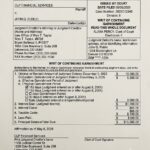
In Colorado’s legal system, the mechanism used to seize your income is called a Writ of Continuing Garnishment. This is a formal court order served directly to your employer. It legally compels your employer to act as a collector on behalf of the creditor, deducting a set percentage of your earnings before your paycheck ever hits your bank account.
Fortunately, creditors cannot take your entire check. Under Colorado wage garnishment laws, there are strict statutory limits on what can be extracted for ordinary consumer debts, like credit card bills, personal loans, or medical expenses.
Under the current legal limits, a creditor can generally garnish the lesser of:
- 20% of your weekly disposable earnings (what is left over after legally required deductions like taxes).
- The amount by which your weekly disposable earnings exceed 40 times the Colorado minimum wage.
With the state minimum wage set at $15.16 per hour, the weekly protected floor is $606.40. While these protections ensure you are not left with zero income, losing a full 20% of your take-home pay in today’s high-cost Colorado housing and economic market is devastating. It frequently means the difference between making your mortgage or rent payment and facing eviction or foreclosure.
Enter the Automatic Stay: The Shield That Freezes Creditors Cold
If your wages are actively being seized, you do not have to wait out a long, drawn-out court dispute to get relief. Filing for consumer bankruptcy changes the rules of engagement instantly.
Bankruptcy is often misunderstood as a sign of financial defeat, but under federal law, it is actually an incredibly aggressive consumer protection tool. The exact millisecond your bankruptcy petition is filed with the U.S. Bankruptcy Court for the District of Colorado, a powerful legal injunction called the Automatic Stay goes into effect.
Section 362 of the U.S. Bankruptcy Code mandates that the moment a bankruptcy case is active, all collection actions against the debtor must stop immediately.
This means:
- Ongoing wage garnishments must freeze.
- Pending collection lawsuits in county courts are paused.
- Bank account levies must be lifted.
- Harassing phone calls, collection letters, and threats must cease.
The automatic stay carries immense structural weight. If a collection agency or creditor knowingly continues to skim money from your paycheck after your bankruptcy petition is filed, they are in direct, willful violation of a federal court injunction. They can be heavily sanctioned by a federal judge, and forced to pay damages and attorney fees.
Chapter 7 vs. Chapter 13: Which is Better for Stopping a Garnishment?
Both primary forms of consumer bankruptcy will activate the automatic stay and halt a garnishment in its tracks, but they handle the underlying debt differently depending on your structural financial goals.
Chapter 13 Bankruptcy
This route organizes your debts into a structured, court-supervised three-to-five-year repayment plan based strictly on what your budget actually allows. Chapter 13 permanently stops aggressive collections and is ideal for individuals who are making a steady income but need a protective runway to catch up on missed mortgage payments or preserve significant equity in a Colorado home or vehicle.
Chapter 7 Bankruptcy
This is a liquidation bankruptcy designed to completely wipe out qualifying unsecured debts—such as credit card balances, medical bills, and older personal loans—in as little as a few months. For the vast majority of people facing a consumer debt garnishment, Chapter 7 provides the fastest, cleanest path to absolute relief. It cuts the cord on the underlying lawsuit permanently, meaning that once your bankruptcy discharge is granted, that garnishment can never return.
The Timeline: How Fast Can a Garnishment Be Stopped?
When your family’s basic financial stability is on the line, timing is everything. You cannot afford to wait weeks for relief while a payroll department processes paperwork. Resolving an active garnishment typically follows a rapid blueprint:
- The Emergency Strategy Session: We sit down to review the county court judgment, verify the debt source, and confirm that bankruptcy is the right logistical step for your unique situation.
- The Emergency “Skeleton” Filing: If an upcoming payroll deadline is less than 24 to 48 hours away, we can file a bare-minimum petition with the bankruptcy court. This generates an immediate, official federal case number.
- The Formal Stopping Notice: The moment that case number is assigned, we send formal notice of the bankruptcy filing directly to your employer’s payroll manager and the creditor’s collection attorney. This legally obligates them to stop the next scheduled pay extraction.
- Clawing Back Stolen Funds: In certain specific circumstances, if a creditor has successfully garnished more than $600 from your paycheck within the 90 days immediately preceding your bankruptcy filing, we may be able to force them to return those funds back to you.
Why a Direct-Access Attorney Model Matters in an Emergency
When an aggressive collector is threatening your household’s livelihood, you cannot afford to get stuck behind a corporate wall. Many regional “bankruptcy mills” handle hundreds of cases a month by routing clients through an endless chain of receptionists, legal assistants, and paralegals. In a high-stakes scenario where every pay cycle counts, a breakdown in communication can cost you thousands of dollars.
At Consumer Law Pro, we believe in a disciplined, direct-access service model. When you call our firm, you speak directly with an experienced Colorado bankruptcy attorney from day one. Your case isn’t passed down a production line; it is handled personally by an advocate who understands the local rules of the Colorado Bankruptcy Court and knows how to file emergency petitions accurately and aggressively.
Get Immediate Relief from Colorado Debt Collectors
You do not have to sit back and watch a collection agency drain your hard-earned income. Take control of your financial roadmap today.
Contact Consumer Law Pro to schedule a free, confidential strategic consultation. We will look at your income, break down your options under Colorado exemption laws, and build a definitive plan to stop the pending lawsuit, safeguard your paychecks, and restore your household peace of mind.